The Organ That Skips Meals: GLP-1 Microdosing, Bile Flow, and the Gallstone Window Nobody Watches
Gallstones are not really about the drug. They are about how fast the weight leaves and how rarely the gallbladder empties between meals. A microdose quietly changes both of those numbers, and that is the whole story.
1 in 4
SHARE OF PEOPLE ON VERY LOW CALORIE, RAPID-LOSS DIETS WHO FORM STONES IN SOME STUDIES
2 drivers
PACE OF WEIGHT LOSS AND HOW OFTEN THE GALLBLADDER EMPTIES DO MOST OF THE WORK
Every meal
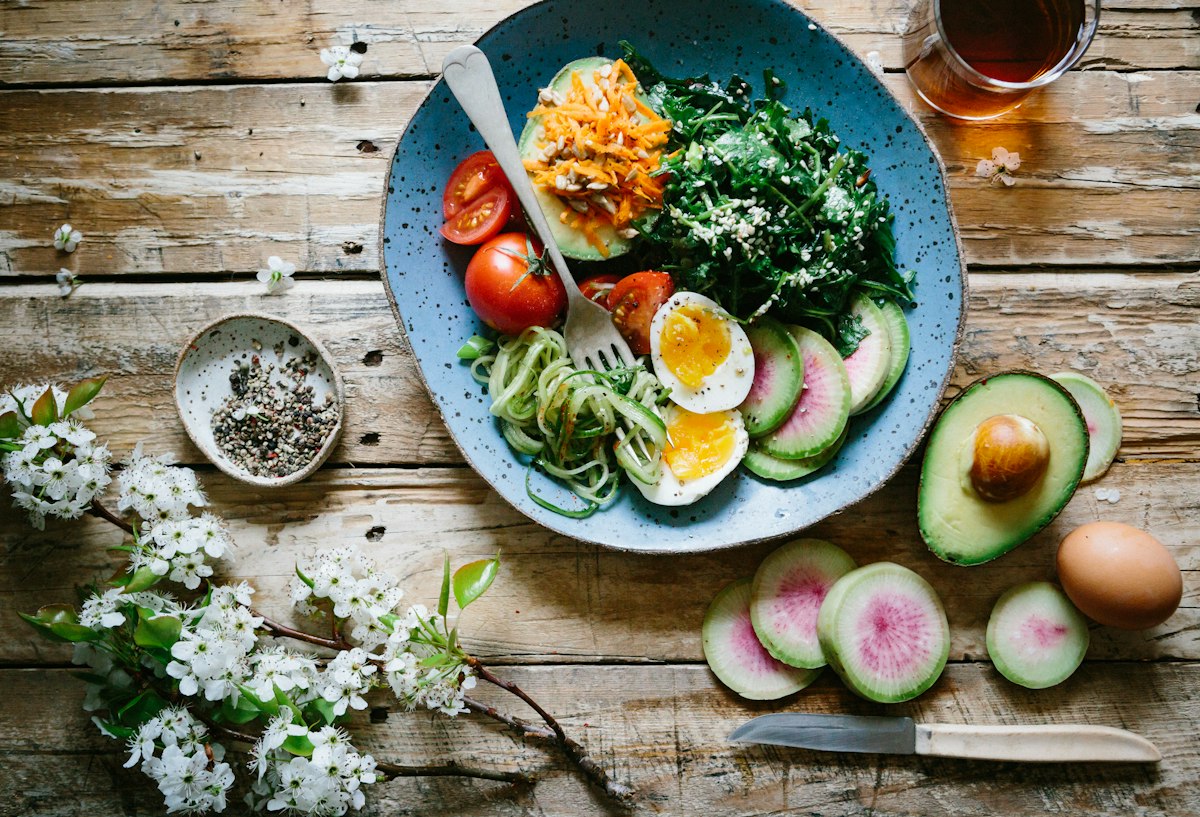
A LITTLE FAT AT EACH MEAL KEEPS THE GALLBLADDER CONTRACTING ON SCHEDULE
Most conversations about GLP-1 side effects stop at nausea and stall at the stomach. The gallbladder rarely comes up, which is strange, because it may be the organ most directly caught in the crossfire of losing weight. It does not react to the medication in your fridge. It reacts to what you stopped eating.
Here is the mechanism in plain terms. The gallbladder is a small muscular pouch tucked under the liver. It stores bile, a green fluid the liver makes to break down fat, and it squeezes that bile into the intestine when a fatty meal shows up. When appetite drops hard and meals turn small and lean, two things happen at once. The gallbladder stops getting the fat signal that tells it to contract, so it sits full and still. And bile left sitting grows more concentrated, which is the setting where cholesterol starts crystallizing into stones. Add fast weight loss on top, which floods bile with extra cholesterol from fat being broken down, and you have assembled every ingredient a gallstone needs. None of that is unique to GLP-1 drugs. It is true of any diet that drops intake sharply. The question worth asking is whether the way you dose changes how hard those levers get pulled.
Pace is the first lever
If you want one number to watch, it is not your dose. It is how fast the scale is moving. Rapid weight loss has been tied to gallstone formation for decades, long before these drugs existed. Very low calorie diets that strip off weight quickly have reported new stones in a striking share of people within the first few months. Slower loss sits far lower on the same curve. The gallbladder is not counting pounds. It is responding to how sharply your intake fell and how starved of fat it has become.
This is where microdosing does something quietly useful. The whole point of a low dose is a gentler appetite effect, which for most people means they keep eating recognizable meals and lose weight at a slower, more even pace. You are trading a dramatic first month for a calmer road, and the gallbladder happens to prefer the calmer road.
Reported gallstone risk climbs with the pace of loss
Illustrative pattern based on published links between rapid weight loss and gallstone formation. Not a personal risk score.
Directional model, not incidence from a single trial. Your history and pace matter more than any average.
The gallbladder wants to empty
The second lever is contraction. A healthy gallbladder empties a large share of its bile after a normal meal, a figure clinicians call the ejection fraction. Fat is the main trigger for that squeeze. Strip most of the fat out of your meals, or skip meals altogether for long fasted stretches, and the gallbladder loses its cue. It stays parked and full, the bile inside grows thick, and the crystals get their chance.
This is the counterintuitive part people miss. During active weight loss, eating some fat is protective for this particular organ, not indulgent. A meal with olive oil, eggs, fish, or nuts gives the gallbladder a reason to contract and flush itself before anything can settle. A steady microdose that leaves your appetite intact enough to eat those meals is doing the gallbladder a favor that a crash in intake never could.
"A gallbladder that never gets the fat signal is a gallbladder that never empties. Bile that never moves is bile that starts to crystallize."
How well the gallbladder empties after a meal, by scenario
Illustrative post-meal ejection fraction. Higher is better. A near-empty, very low fat pattern leaves bile sitting.
A value below roughly 35 to 40 percent is often called poor emptying by clinicians. Illustrative figures only.
What sitting bile actually does
Bile is a balancing act between cholesterol, bile salts, and lecithin. When cholesterol rises too high relative to the other two, the mixture becomes supersaturated and cholesterol drops out as crystals. Those crystals are the seed of a stone. Long gaps without eating let bile concentrate in the gallbladder, and rapid fat loss dumps extra cholesterol into that bile from the fat your body is breaking down. The chart below traces what that looks like across a day when meals are frequent versus skipped.
Bile cholesterol saturation across a day
Illustrative saturation index. Above 1.0 means bile is supersaturated and crystals can form. Skipping meals pushes it higher.
- Regular meals with fat
- Skipped meals, very low fat
Conceptual model of the saturation idea, not a lab result. The point is the direction each pattern pushes.
How common the problems actually are
It is worth keeping perspective. Most people losing weight at a measured pace never notice their gallbladder at all. A large number of gallstones stay silent and never cause a symptom in a person's lifetime. The stones that matter are the ones that move and lodge in a duct, and those are the minority. The point of understanding the mechanism is not to worry. It is to keep your habits on the side of the ledger that empties the organ rather than the side that lets it sit.
Reported gallbladder-related experiences on a steady microdose
Directional pattern from provider reports, not incidence data from a controlled trial. Most report nothing at all.
The two roads over a year
Put pace and emptying together and you get two different trajectories. A fast titration to a full dose tends to front-load the risk, because the sharpest drop in intake and the fastest loss both land in the first few months. A gentle microdose spreads the same total weight loss across a longer window, keeps meals in the picture, and flattens the curve. Neither road is risk-free. One simply asks less of the gallbladder per week.
Cumulative new stones over a year, two titration styles
Illustrative cumulative curves per 100 people. Rapid loss front-loads risk; steady loss spreads and lowers it.
- Rapid titration to full dose
- Steady microdose
Conceptual comparison, not a head-to-head trial result. Your prescriber sets the pace that fits your history.
Habits that keep the organ working
None of this requires a supplement shelf. It requires giving the gallbladder a reason to contract on a regular schedule. A few concrete habits do most of the work.
Keep some fat at every meal
Olive oil, eggs, avocado, oily fish, or a handful of nuts each give the gallbladder the fat signal it needs to squeeze. Very low fat eating during rapid loss is the pattern most tied to sluggish emptying.
Eat on a rhythm, do not vanish for the day
Long unplanned fasted windows let bile sit and concentrate. Structured meals, even smaller ones, keep the organ cycling. If your appetite is so low you are skipping meals, that is a signal to discuss your dose.
Stay hydrated and keep fiber in
Both support healthy bile composition and normal gut transit, which the gallbladder is downstream of. Neither is a treatment, but both are on the right side of the ledger.
Know the pain that means stop
Steady upper-right belly pain lasting hours, pain into the right shoulder, fever, or yellowing skin or eyes are reasons to seek care rather than wait. A stone in a duct is not a watch-and-see situation.
"The gallbladder does not care about your goal weight. It cares whether you fed it fat this morning and whether the bile inside it ever moves."
The quiet advantage, again
Every organ series ends up telling the same story about pace, and the gallbladder tells it more bluntly than most. The stones form when weight leaves too fast and the organ sits too still. A microdose does not make gallbladder risk disappear, and anyone with a history of stones should treat this as a reason to plan with a prescriber rather than to relax. But by keeping appetite intact enough to eat real meals, and by spreading weight loss across a longer, calmer window, the low-dose approach happens to pull both of the main levers in the gentler direction. That is not a marketing claim. It is just what happens when you stop asking one small organ to skip every meal.
Frequently asked questions
Does a GLP-1 cause gallstones?
The drug itself is only part of the picture. Two things drive gallstone risk on any weight loss approach: how fast the weight comes off, and how empty the gallbladder gets between meals. GLP-1 medications influence both. They can shrink appetite enough that people eat far less fat, which means the gallbladder contracts less often, and at higher doses they can push weight down fast. Rapid loss and a lazy gallbladder are the two ingredients gallstones need. A microdose that keeps you eating regular meals softens both of those at once.
Why would eating more fat protect my gallbladder?
The gallbladder is a muscular bag that squeezes bile into the small intestine when fat and protein arrive. Fat is the strongest trigger for that squeeze. When meals get very low in fat, the gallbladder sits full of concentrated bile for long stretches and rarely empties. Bile that sits still and grows concentrated is exactly the setting where cholesterol crystals start to form. A moderate amount of fat at each meal keeps the bag contracting on schedule, which flushes it out before crystals can settle.
Is the risk different for microdosing versus a full clinical dose?
The mechanism is the same, but the intensity is not. Full therapeutic doses often produce faster weight loss and a sharper drop in food intake, and both of those raise the odds of stone formation. A microdose is designed to keep appetite suppression gentle, so most people keep eating structured meals and lose weight at a slower, steadier pace. That does not make the gallbladder risk zero, but it tends to keep the two main drivers in a calmer range.
What symptoms should make me call a clinician?
Steady pain in the upper right belly that lasts more than a few hours, pain that wraps around to the right shoulder blade, pain that spikes after a fatty meal, fever, or any yellowing of the skin or eyes. Those can signal a stone that has lodged in a duct, which is a medical situation, not a wait-and-see one. Vague fullness that comes and goes is worth mentioning at your next visit. Sharp, persistent pain with fever or jaundice is worth same-day attention.
Can I keep my gallbladder emptying while I lose weight?
Regular meals with some fat and protein are the simplest lever. Skipping meals for long fasted windows keeps the gallbladder full and concentrated, which is the opposite of what you want during active weight loss. Staying hydrated and keeping enough fiber in the diet also help. Some clinicians discuss ursodeoxycholic acid, a bile acid that lowers cholesterol saturation, for higher-risk patients during rapid loss, but that is a prescriber decision based on your history.
If I already had my gallbladder removed, does any of this matter?
The gallstone concern is off the table, since there is no gallbladder left to form stones. Bile then drips continuously into the intestine instead of releasing in a coordinated squeeze. Some people notice looser stools or discomfort with very fatty meals, and slowed gastric emptying from a GLP-1 can add to that feeling. Spreading fat across smaller meals rather than one large fatty meal is the usual adjustment. Talk to your prescriber about how the two interact for you.
Does slower weight loss really lower the risk that much?
Pace is one of the most consistent signals in the gallstone literature. Very low calorie diets that drive fast loss have reported gallstone formation in a meaningful share of people over a few months, while slower, steadier loss sits far lower. The gallbladder is not reacting to the number on the scale. It is reacting to how sharply intake dropped and how long it goes between real contractions. Slower loss usually means more frequent, more normal meals, which keeps that organ working.
Should gallbladder risk stop me from microdosing?
For most people it is a reason to be thoughtful, not a reason to avoid the approach. The people who need the most caution are those with a personal or family history of gallstones, prior gallbladder attacks, or rapid loss already underway. This is a conversation to have with a prescriber who can weigh your history, decide whether monitoring makes sense, and set a titration pace that respects the organ. It is educational context for that conversation, not a verdict.
Clinical references
- Weinsier RL, Ullmann DO. Gallstone formation and weight loss. Obesity Research. 1993.
- Erlinger S. Gallstones in obesity and weight loss. European Journal of Gastroenterology and Hepatology. 2000.
- Shiffman ML, et al. Gallstone formation after rapid weight loss: a prospective study in obese patients undergoing a very low calorie diet. American Journal of Gastroenterology. 1991.
- Festi D, et al. Gallbladder motility and gallstone formation in obese patients following very low calorie diets. International Journal of Obesity. 1998.
- Stinton LM, Shaffer EA. Epidemiology of gallbladder disease: cholelithiasis and cancer. Gut and Liver. 2012.
- He L, et al. Association between glucagon-like peptide-1 receptor agonists and biliary or gallbladder disease: a systematic review and meta-analysis. JAMA Internal Medicine. 2022.
- Nauck MA, et al. Incretin-based therapies and the risk of gallbladder and biliary disease. Diabetes, Obesity and Metabolism. 2017.
- Portincasa P, et al. Cholesterol gallstone disease. The Lancet. 2006.
- Uy MC, et al. Ursodeoxycholic acid in the prevention of gallstone formation during rapid weight loss: a meta-analysis. Obesity Surgery. 2008.
- Wilson SE, et al. Prevalence and natural history of gallstones during and after intentional weight loss. Digestive Diseases and Sciences. 2019.
Medical disclaimer. This article is for general educational and informational purposes only. It is not medical advice and is not a substitute for professional guidance, diagnosis, or treatment from a qualified healthcare provider. GLP-1 microdosing is an off label approach, individual outcomes vary, and nothing here should be read as a claim that any dosing strategy prevents, treats, or cures gallstones, gallbladder disease, or any other condition. No GLP-1 receptor agonist is approved to protect the gallbladder. Charts are illustrative models built from published patterns rather than predictions for any individual. Steady upper-right abdominal pain, fever, or yellowing of the skin or eyes calls for prompt medical attention. Never start, stop, combine, or adjust any medication without consulting a licensed prescriber who can supervise your protocol and your history.